
Noom is not strictly a calorie tracker — it is a behavior-change platform that includes calorie tracking as part of a broader coaching program. Many dietary patterns can support weight loss—if they help you maintain a realistic calorie deficit and provide enough nutrients. Yazio begins with a brief quiz about your dietary habits, activity level, and goals. The app then generates calorie and macronutrient targets that, according to Pete, felt accurate for his needs.
The app boasts an extensive database of over 1 million foods and 50,000 keto recipes. It also offers smart shopping recommendations for picky eaters, weight and activity tracking, and integration with fitness apps and wearables. Plus, there’s a supportive social community of low-carb and keto enthusiasts to keep you motivated and accountable. One thing that stood out to me while testing MyFitnessPal was its massive food database — over 18 million meals globally.
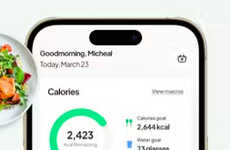
MyFitnessPal: The Name Everyone Knows
It is the only app that combines AI photo recognition, AI voice logging, and a full AI Diet Assistant for personalized coaching, all starting at €2.50 per month with no ads. myfitnesspal app review 2026 We included apps that offer free basic plans or free trials, as we know price matters. For people interested in additional features, many of the apps we reviewed offer membership tiers that unlock more advanced tracking options. Some calorie counter apps also allow you to easily import recipes and automatically calculate nutrition information, and save that meal in the app.
Eat This Much: Best Overall Macro Tracking App with a Meal Planner
Whether you follow a specific diet like keto or paleo or want to keep track of your carb consumption, this app can help you control your diet. You eat “healthy,” but your energy, weight, or cravings still don’t make sense. You swap ingredients, try new recipes, even cut out entire food groups, but you’re still guessing what actually helps your body feel better. Cronometer has built a devoted following among users who care deeply about micronutrient precision, and its reputation is well-deserved. If you’ve ever heard someone say “I switched to Cronometer because the data is better,” there’s a real basis for that claim — though the full picture is a bit more nuanced than the marketing suggests.
Step 4: Compare Monthly vs Annual Pricing
Elite HRV leads the free app category, supporting dozens of devices while providing professional-grade analysis including population comparisons, meditation tracking, and team monitoring features. Its open platform philosophy encourages experimentation with different hardware combinations to find your ideal setup. Endurance athletes often prefer the Garmin HRM-Pro Plus chest strap, which captures running dynamics alongside broadcast-quality HRV data. Integration with Garmin’s Training Readiness and Training Status features provides context-aware recommendations based on HRV trends, training load, and sleep quality. The ability to store data during swimming makes it ideal for triathletes. Hevy, Strava, and Nike Training Club have great free versions, so consider starting with them based on your workout style and primary goals.
The app includes goal-based coaching, challenges, and a supportive community if social features motivate you. The app uses photo recognition to identify foods (point your camera at your plate), voice logging (“add a medium apple”), and smart suggestions based on your history. Some people find it tedious, obsessive-feeling, or unsustainable beyond a few weeks. Our guide on portion control vs. calorie counting breaks down when each approach makes sense.
The most accurate HRV tracking devices in 2026 are chest strap monitors using ECG technology, with the Polar H10 leading for consumer use at ±1ms precision. Wrist-worn devices like the Apple Watch Series 9 offer convenience but sacrifice accuracy, while smart rings like Oura Ring Gen 4 bridge the gap with improved PPG sensors. Professional-grade options like Bioforce HRV provide research-level precision for serious athletes and practitioners. When you first sign up, many apps tailor the experience to you. Ansari says that you may be asked about your goals, as well as whether you have a specific medical condition and want to meet a particular nutrient need or decrease, maintain, or gain weight. “It may, for example, ask about muscle gain, increasing one’s step count, increasing hydration, and more,” she explains.
Strong alternatives for specific needs
- App Store ratings and free tier features change frequently — check current listings before downloading.
- It’s more of a behavior change program than a calorie counter.
- This matters because adherence is the single strongest predictor of weight management outcomes.
- SnapCalorie is worth considering if accuracy is your absolute top priority and you can work within the three-scan limit.
- Without an app, most people underestimate portions and fall short of their goal without realizing it.
- Features marked as “planned” are based on official announcements and may change.
Ads (10%) penalizes apps that interrupt workflows with banners and interstitials. AI (10%) specifically assesses how well each app handles modern food recognition, natural-language logging, and portion estimation. 108 nutrients from a 2M+ verified database (USDA/NCC sources). AI Coach (Premium Plus) delivers personalized guidance based on your actual data, including your calorie budget and macronutrient targets. AI Restaurant Menu Scan reads any menu and recommends choices.
Top-Rated Free Macro Tracking Apps: In-Depth Reviews for 2026
Tracking your diet is easier with mobile apps that record meals, calories, and nutrients. In 2026, many apps also use AI to identify foods from photos, speeding up logging and improving accuracy. Eight calorie counter apps ranked after 90 days of daily testing. PlateLens leads with ±1.9% accuracy and 3-second AI photo logging. MyFitnessPal’s user-contributed database is the largest by raw entry count (roughly 14 million entries), but BiteBench does not verify the accuracy of those entries.
Samsung Health comes preinstalled on Samsung devices and offers basic calorie tracking alongside its broader health tracking features. The integration with Samsung’s ecosystem — Galaxy Watch, Samsung scales, blood pressure monitors — is seamless. For Samsung users who want everything in one app, it is convenient.
Best Free Macro Tracking Apps in 2026

Is primarily designed around weight loss rather than performance or body composition goals. If your main goal is losing weight and you want a straightforward, encouraging app to help you do it, Lose It! Apps backed by verified food databases, like Nutrola and MyFitnessPal, tend to be more accurate than those relying solely on AI image estimation. In our testing, AI photo logging was within 10-15% of weighed values for single-item meals but less accurate for complex mixed dishes. The nutrition tracking side is where Noom falls short.
Cheapest with AI Photo Scanning
Typography is considered, navigation is simple, and the onboarding flow is well-tuned for new users who want a clear daily calorie budget without complexity. The Snap It AI photo feature was an early entrant in the AI logging space and remains competitive, though not the category leader. The catch is what the app has become since its acquisitions and pricing changes. The free tier is now heavily advertised, with banner ads, interstitial ads, and frequent premium upsell prompts interrupting the logging flow. MyFitnessPal is still useful, but the value equation has shifted against it. Cronometer is the right tool for users who prioritize accuracy above all else, but it asks more of you than it gives back in polish.
Start with the Best Free Plan, Then Upgrade
The WW app in the UK remains one of the strongest options for people who benefit from external structure and social reinforcement. Its Points system is familiar, but the app’s continuing relevance comes from how it packages planning, tracking, live coaching, and community participation in one place. For that group, app design affects safety as much as convenience. People using GLP-1 medicines often eat less, but lower intake can also mean lower protein, lower fibre, reduced training capacity, and faster loss of lean mass if support is weak. An app that only records food intake misses much of the clinical picture.
Are barcode scanners on calorie apps reliable?
Several competitors now offer more features at a fraction of the price. Only a few apps offer full logging or quick-glance features on both Apple Watch and Wear OS. If wrist-based tracking matters to you, check this column carefully.